Understanding Stubborn Facial Patches
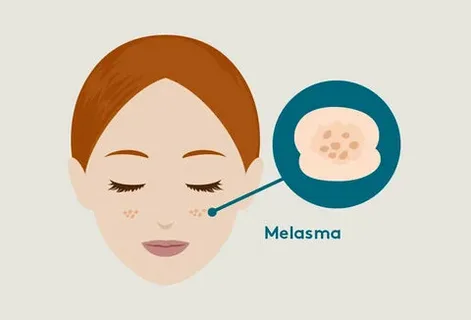
Melasma treatment in Islamabad is a common search for many women. Melasma shows up as brown or grey-brown patches on the face. These patches often appear on the cheeks, forehead, and upper lip. They are not painful, but they can hurt your confidence. Many people try creams from the market and see little change. Some products even make the patches darker. Melasma is a stubborn skin condition with several causes. It needs a careful plan, not a quick fix. Medical care can help you manage it safely. This guide explains the causes and clinical options in simple words.
What Are Melasma and Deep Hyperpigmentation?
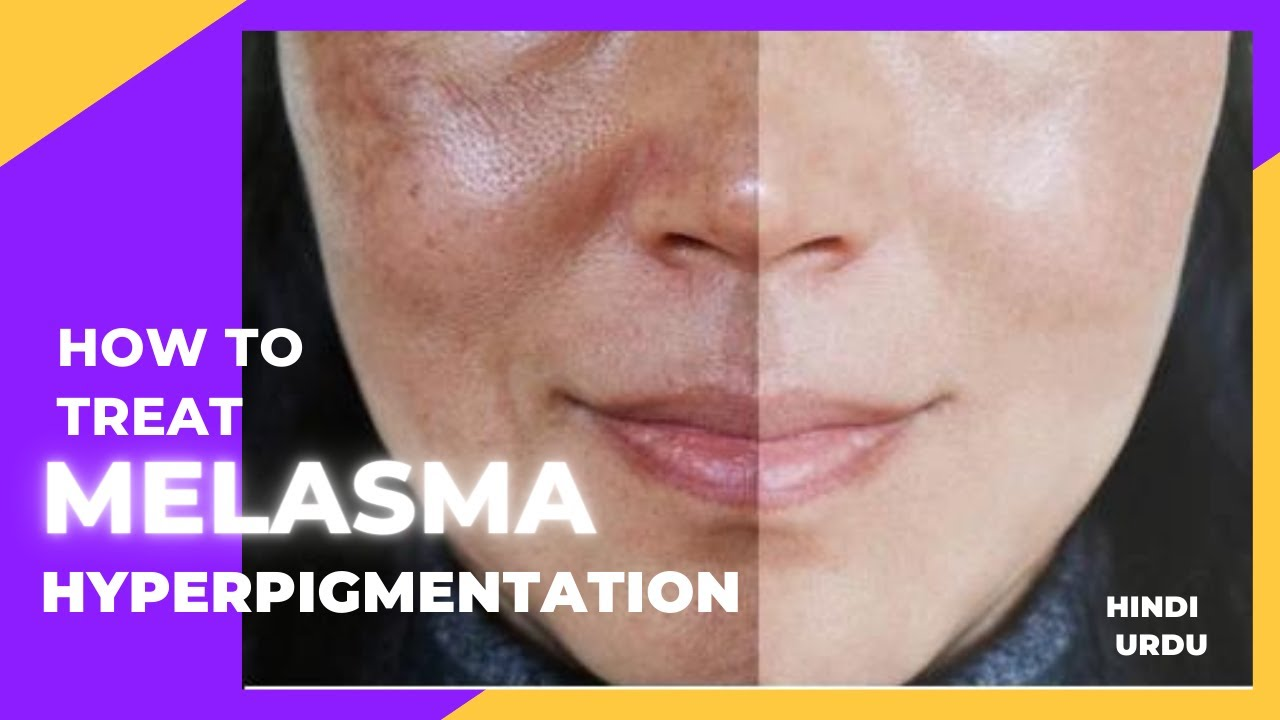
Melasma is a type of skin pigmentation. Pigment cells make extra melanin in certain areas. This extra melanin forms darker patches on the skin. The patches usually look even and symmetrical on both sides of the face. Some pigment sits in the top layer of the skin. Other pigment sits deeper and is harder to treat. Doctors call this deep hyperpigmentation. Many people have a mix of shallow and deep pigment. A close skin check helps the doctor see which type you have. This guides the best choice of treatment.
Common Causes and Triggers
Melasma has more than one cause. Hormones play a big role in many cases. Pregnancy and birth control pills can trigger it. Sun exposure is one of the strongest triggers. Even a little daily sun can darken the patches. Heat from cooking or hot weather may also make it worse. Family history can make you more likely to develop melasma. Some skincare products can irritate the skin and add to the problem. Melasma treatment in Islamabad must account for the strong local sun. A good plan deals with triggers as well as pigment.
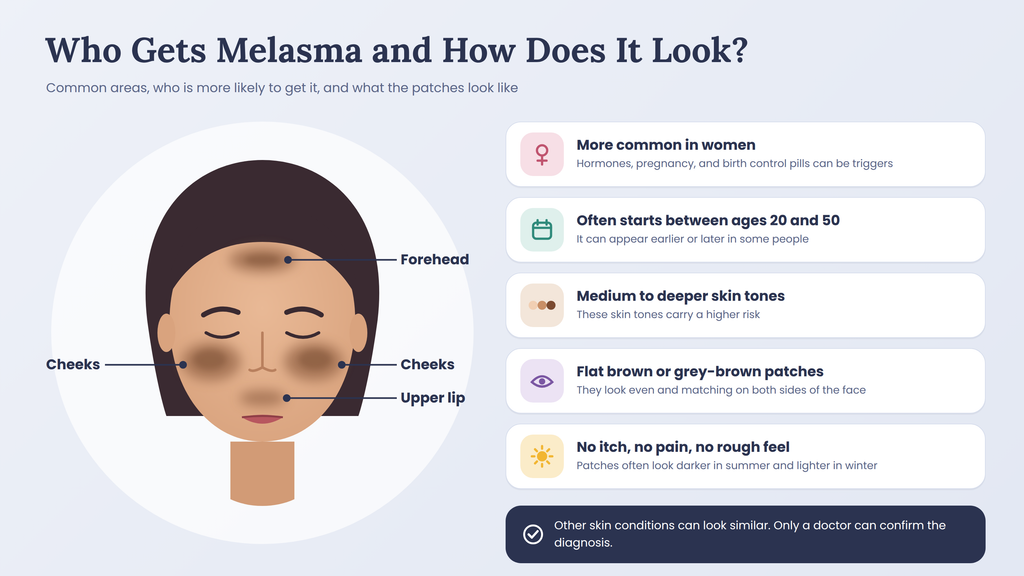
Who Gets Melasma and How Does It Look?
Melasma is more common in women than in men. It often begins between the ages of twenty and fifty. People with medium to deeper skin tones are more at risk. Patches look like flat brown or grey-brown marks. They are usually tan, brown, or slightly bluish in deeper cases. They do not itch, hurt, or feel rough. They can fade a little in winter and darken in summer. Other skin conditions can look similar. Only a doctor can confirm the right diagnosis. Do not guess or start strong treatments on your own.
Melasma Treatment in Islamabad: Clinical Options
Doctors use several tools to manage melasma. Prescription creams are often the first step. These may include lightening agents and gentle skin-calming ingredients. Chemical peels can lift surface pigment in a controlled way. Skin boosters and microneedling may improve skin quality. Some patients need medicine taken by mouth under medical supervision. Certain lasers can help, but they must be used with great care. The wrong laser settings can make melasma darker. That is why an expert should choose the device and the settings. Treatment is usually a mix, planned for your skin.
Why Professional Care Matters
Home creams cannot match a medical plan. Strong lightening products can burn or irritate the skin. Irritated skin often turns darker afterward. Melasma treatment in Islamabad should start with a doctor’s check. The doctor looks at your skin type, history, and triggers. You can ask about pregnancy plans and current medicines. This keeps treatment safe and suitable for you. The plan may change as your skin responds. Regular follow-up visits help avoid problems. Medical-grade care gives you a safer path forward.
Daily Sun Protection and Skin Care
Sun protection is the most important habit. Use a broad-spectrum sunscreen every morning. Apply it again if you stay outside for long. Wear a wide hat and sunglasses outdoors. Visible light and heat can also trigger melasma. Try to stay in the shade during strong midday sun. Wash your face with a gentle cleanser. Avoid harsh scrubs, home peels, and hot steam on the face. Do not pick or rub the patches. Simple, steady care protects your treatment results.
Setting Realistic Expectations
Melasma is a long-term condition. It can be managed well, but it may come back. Results take time and patience. Most people need weeks or months to see change. Melasma treatment in Islamabad works best when you follow the full plan. Skipping sunscreen can undo weeks of progress. Pregnancy, hormone changes, and heat can bring patches back. Maintenance care helps keep your skin even. Results vary from person to person. Your doctor will share honest and realistic goals with you.
Side Effects and Aftercare
Every treatment has a recovery period. Peels and lasers can cause redness, dryness, or peeling. Prescription creams may cause mild stinging at first. Tell your doctor if your skin feels very sore or burns. Do not stop or change your plan without advice. Keep your skin moist with the products your doctor suggests. Avoid direct sun after any procedure. Melasma treatment in Islamabad should always include clear aftercare steps. Good aftercare lowers the risk of dark marks after treatment. Ask questions whenever something feels unclear.
Book a Consultation at Lemonade Clinic
Lemonade Clinic is a trusted aesthetic clinic in Islamabad. The clinic is led by Dr. Shafaq Ramay. The team offers a wide range of aesthetic treatments. Your safety and comfort come first in every visit. We explain each step in simple and clear words. Ready to take care of your skin? Book a consultation today. Call Lemonade Clinic at +92 314 5360017. Visit us at Plaza 12B, First Floor, Adjacent to Desi Dera, Main PWD Road, Islamabad 44018. Let us help you move toward clearer, more even skin.